Matching Requirements and What They Do to Insurance Reroofs
Matching rules reshape scope, price, and timelines on insurance reroofs. Estimators who ignore them eat supplements and callbacks.
 Ridge Report
2 min read
Ridge Report
2 min read
Matching requirements are not a footnote on insurance reroofs. They drive whether you replace a slope, an elevation, or the whole roof—and whether the carrier pays for it without a fight. Contractors who treat matching as the adjuster's problem end up eating materials variance, delayed closes, and angry customers stuck between policy language and curb appeal.
What matching usually means in practice
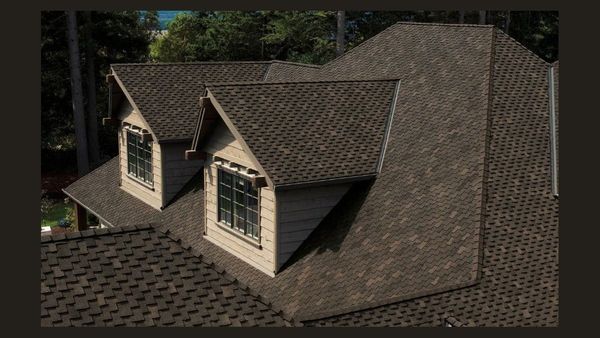
Carriers and state rules vary, but the field reality is consistent: if new product cannot reasonably match existing material in color, size, and quality, the scope often expands. Discontinued shingles, weathered color shift, and accessory mismatches are the common triggers. Some jurisdictions push toward full replacement when a reasonable match is unavailable; others stay narrower. Know your market's norms before you promise the homeowner a partial.
Where jobs blow up
- Partial slopes that look fine on paper and wrong from the street.
- Accessories—ridge, starter, vents—unavailable in the approved color.
- Age and weathering that make even the same product look like a patch.
- Manufacturer changes that quietly end the exact SKU on the roof.
Estimator playbook
Document first. Photos of all elevations, close-ups of granule condition, and a clear note on product identification (if readable) belong in every storm package. Call out discontinued lines early. If a match is doubtful, say so in the estimate notes and prepare the supplement path. Do not wait until install day to discover the yard cannot get the color.
Matching fights are won with photos and product IDs, not with arguments in the driveway.
Codes, HOAs, and insurance—three different bosses
Building code may require upgrades that insurance matching does not automatically fund. HOAs may demand uniformity the policy never contemplated. Your job is to separate those lanes for the customer: what the policy is likely to cover, what code requires, and what aesthetic preference they may pay for. Mixing them into one vague number creates disputes you cannot settle on the roof.
Production impact
Matching uncertainty kills schedules. Hold a start date until the match or substitute path is approved in writing when the risk is high. Stage materials only after SKUs are confirmed. Train PMs to stop work and escalate if the delivered product does not match the approved scope—silent swaps create liability.
For shops in active storm corridors, matching is a core competency, not a specialty. Build checklists, keep manufacturer discontinuation notes handy, and coach customer-facing staff to set expectations early. The reroofs that close clean are the ones where matching was scoped like a real line item, not hoped away.
Manufacturer and distributor intel
Keep a living list of discontinued and substituted products for your top installed lines. Counter staff often know before marketing does. When a match is impossible, prepare the homeowner and the file simultaneously: photos, product ID attempts, and a written substitute proposal. On HOA properties, add a third track—architectural approval timelines—so matching debates do not collide with board meetings after tear-off.
Train sales not to promise "we'll blend it" on heavily weathered roofs. Blending is sometimes possible and often a disappointment. Set the expectation toward elevation or full replacement when evidence supports it, and let documentation lead the insurance conversation. Matching done right protects both margin and reputation.
Related: GAF Bold Definition colors · Owens Corning Woodcrest/Woodmoor.
Sources
GAF Bold Definition color collection (Jan 2026). Owens Corning Woodcrest & Woodmoor relaunch (RC).