Why Signing Bonuses Aren't Fixing the Crew Shortage
Cash up front recruits bodies. It does not build crews. Here is what actually moves retention and production in roofing shops.
 Ridge Report
3 min read
Ridge Report
3 min read
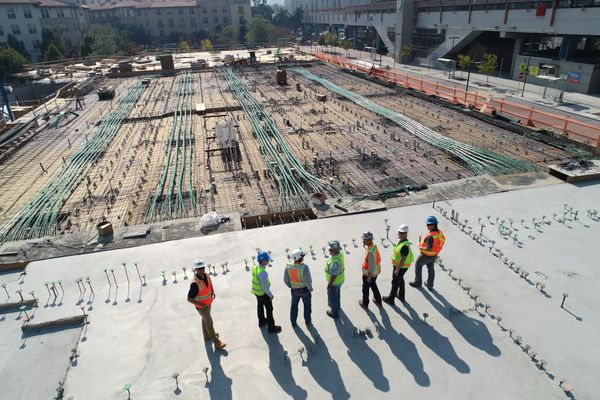
Signing bonuses are everywhere in roofing help-wanted ads. Five hundred here, two thousand there, sometimes more for experienced tear-off leads. The money works as a magnet. It does not fix the shortage. Shops that lean on bonuses alone watch new hires collect the check, bounce after a few storm weeks, and leave the same hole in the schedule.
What bonuses actually buy
A signing bonus buys attention and a short commitment window. It does not buy skill, safety habits, or loyalty. In competitive storm markets, workers learn to shop bonuses the way estimators shop supplements. You get churn with better marketing, not a deeper bench.
Worse, bonuses distort pay fairness. Veterans who stayed through slow months notice the new hire got cash they never saw. That quiet resentment shows up as lower production and higher turnover among the people you already trained.
Why the shortage persists
- Physical work, weather exposure, and early mornings limit the candidate pool.
- Apprenticeship pipelines are thin; many shops still hire for experience only.
- Housing costs in high-growth markets outrun what entry roofing wages support.
- Storm chasing creates boom-bust income that pushes people out of the trade.
What actually sticks
Retention follows predictability and respect more than a one-time check. Shops that keep crews report the same patterns: clear daily plans, reliable payday, tools that work, and leads who coach instead of yell. Production bonuses tied to quality and safety—paid after probation—beat signing cash that walks out the door.
If your only recruiting message is money up front, you are recruiting people who only listen to money up front.
Build the job, then recruit
Define crew roles so a new hire knows what good looks like on day three. Pair them with a trainer who is paid for training time, not punished for slower squares. Offer a path: helper to tear-off to installer to lead, with wage steps that are written down. That pipeline speech recruits better than another bonus number.
Also fix the non-pay friction: reliable rides to the yard, PPE that fits, water and shade on summer jobs, and a real plan when weather cancels the day. Those details sound soft until you measure how many people quit over them.
Where bonuses still make sense
Use targeted incentives for hard-to-fill lead roles or for completing a probation period with clean safety and quality scores. Structure them as retention payments at 30, 60, and 90 days, not a day-one dump. Combine with referral bonuses for current crews—your best recruiters already work for you.
The crew shortage is structural. Signing bonuses are a tactic. Treat them like a tactic—limited, conditional, and secondary to building a shop people do not want to leave. That is how you still have a crew when the next storm corridor lights up.
Measure retention like production
Track 30-, 60-, and 90-day retention the same way you track squares. If people leave before day sixty, your onboarding—not your ad copy—is broken. Exit interviews do not need to be corporate theater; a ten-minute honest conversation with a respected lead often reveals the real issue: unreliable hours, chaotic dispatch, missing PPE, or a toxic foreman. Fix root causes before you raise the bonus again.
Consider housing stipends or ride support in markets where commuting kills candidates. Some shops partner on tool purchase programs so new hires are not underwater on day one. None of that replaces fair wages, but it removes friction bonuses cannot fix. The shortage rewards shops that build careers, not auctions.
Sources
AGC/NCCER 2026 workforce survey release.
Related: AGC immigration enforcement survey · Apprentice pipeline.