Storm Season Hits Hard
Severe weather is battering communities — roofing crews are on the front lines again.
 Ridge Report
3 min read
Ridge Report
3 min read
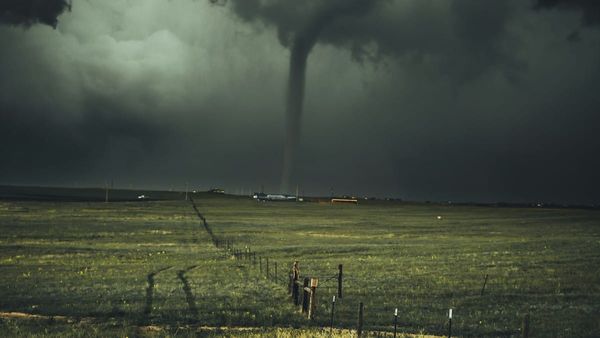
Severe weather is battering communities across the country — and roofing crews are on the front lines again.
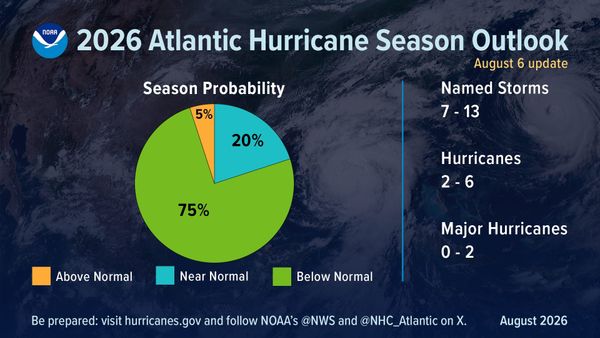
Atlantic and Gulf shops still face a long season of landfall risk and inland severe weather — even when seasonal outlooks lean quieter than average. For contractors, that means more emergency calls, tighter crew calendars, and material runs that can make or break a week. Homeowners want answers fast. Carriers want documentation. Crews want a schedule that doesn't eat the shop alive.
This is the season that separates operators from opportunists.
What crews are seeing on the ground
In storm corridors from Texas through the Carolinas and up the Mid-Atlantic, shops report a familiar pattern: insurance-driven reroofs stacking up while everyday maintenance and retail jobs get pushed. Hail claims spike after cell lines move through. Wind events peel ridge caps, lift underperforming fasteners, and expose weak detailing at valleys and wall intersections.
The shops that stay profitable treat storm work like a product line, not a scramble. Pre-staged materials, documented photo workflows, and clear customer communication beat heroics every time. A clean scope on day one beats a messy change-order fight on day fifteen.
The contractors who win storm season aren't the ones who answer the phone first. They're the ones who can prove scope, schedule crews, and close clean.
Materials and lead times
Asphalt shingle supply looks steadier than last spring, but distributors still warn against waiting until the radar turns green. Accessories — ridge vent, ice and water shield, starter strip, pipe boots — run short first when a region lights up. Specialty colors and designer lines disappear faster than three-tabs and standard laminates.
Metal and commercial membrane shops face their own pinch points: coil availability, freight, and crew certifications. Storm surge on the residential side still ripples into commercial calendars when labor gets pulled across markets.
Labor is still the bottleneck
The crew shortage hasn't eased. Apprenticeship pipelines lag demand, and storm premiums pull labor across state lines. Retention — steadier pay, safer sites, real benefits — is beating one-off signing bonuses for shops that plan beyond a single season.
If you're a GC hunting subs, verify insurance, workers' comp, and workmanship references before the rush. If you're a crew looking for work, storm markets reward reliability and clean paperwork over raw speed. One blown claim file costs more than a day of production.
Training new hands mid-season is expensive. The shops investing in spring hiring and summer upskilling are the ones that scale when September and October light up.
Codes, claims, and documentation
Building officials and carriers are watching installation quality harder after years of high storm volume. Matching existing materials where required, proper fastening schedules, drip edge and underlayment details, and clear before-and-after documentation aren't paperwork theater — they're how you get paid and stay off the callback list.
How to run the next 60 days
- Confirm material commitments with your primary and backup yards.
- Stress-test crew capacity — including who you will not call when the phones explode.
- Standardize your storm inspection checklist and photo set.
- Brief office staff on intake: capture claim numbers, carrier, date of loss, and access constraints the first time.
- Protect a slice of the calendar for warranty and non-storm customers so the base business doesn't vanish.
Bottom line
Storm season hits hard every year. The shops that treat it as operations — materials, labor, documentation, customer care — will outlast the ones that treat it as overtime forever.
The Ridge Report will keep covering corridor forecasts, manufacturer moves, and the crew market so you're not flying blind when the next line fires.
Photograph everything: elevations, damage close-ups, deck condition, ventilation, and completed work. Note manufacturer requirements in the file. Don't let a rushed tear-off erase the evidence you need for the claim. When a supplement is justified, send it with photos and line-item clarity, not vibes.
Smart operators lock inventory relationships before peak, not during it. Dual-source critical SKUs. Know which yards will open early after a major event. Keep a written list of alternates that still meet code and manufacturer specs so a stockout doesn't stall a whole street of tear-offs.
Sources
NOAA/NWS National Hurricane Center. Storm Prediction Center.
Related: NOAA’s below-normal 2026 outlook · 48-hour storm response checklist.