Isaias Ends the Landfall Drought. Florida Just Let GCs Self-Perform Roofs in 30 Counties.
Isaias hit near Destin Oct. 9 as a Category 2, the first U.S. mainland hurricane landfall in two years. A Florida DBPR emergency order lets certified and registered GCs do roof work without subcontracting in 30 counties, and carriers report lighter-than-feared claims.
 Ridge Report
4 min read
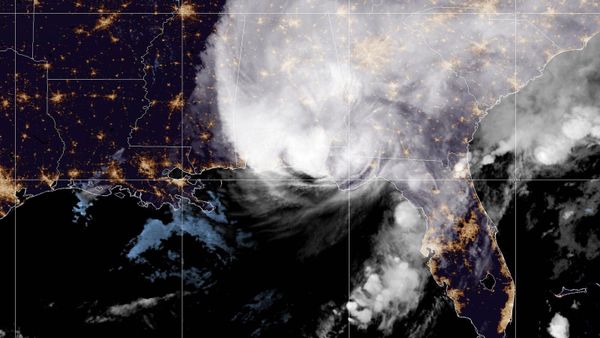
The Atlantic’s latest first hurricane of the modern era came ashore on the Florida Panhandle. Hurricane Isaias made landfall near Destin around 8:30 p.m. CDT on Friday, Oct. 9, with maximum sustained winds of 105 mph and a minimum central pressure of 971 mb, the National Hurricane Center reported at landfall. It was the first hurricane of the 2026 Atlantic season and the first to make landfall on the U.S. mainland in two years, since Milton hit western Florida on Oct. 9, 2024, according to The Weather Channel.
For roofers, the bigger news is out of Tallahassee. Florida’s Department of Business and Professional Regulation filed Emergency Order 2026-01, as amended by Emergency Order 2026-02, which lets certified and registered general, building and residential contractors repair or install any roof type in 30 counties without subcontracting the roof work. Meanwhile, insurers say claims are coming in lighter than feared, and some agents are already warning customers about door-knockers promising full replacement.
Where the wind hit hardest
Isaias didn’t hit where forecasters expected. The NHC landfall update logged a 116 mph gust with 91 mph sustained winds near Santa Rosa Sound, and a 100 mph gust near Pensacola. Six stations recorded gusts over 100 mph, including 117 mph near Oriole Beach, The Weather Channel reported.
Insurance Journal reported Oct. 13 that the highest recorded winds hit the Pensacola area on the western side of the eye, not the eastern eyewall where the worst winds usually are.
A hotel in Pensacola lost its roof and gas station canopies collapsed, according to The Weather Channel. In Milton, where winds reached up to 110 mph, much of the Milton High School gymnasium roof was damaged and a huge section of roof was lifted off a nearby apartment complex, Insurance Journal said. The National Weather Service in Tallahassee recorded gusts to 91 mph at Choctaw Beach and 83 mph at Panama City Beach and wrote that those winds “produced structural and roof damage to homes, condominiums, and commercial structures near the coast.” Rain totals across the western Panhandle and southeast Alabama mostly ran 4 to 8-plus inches, topping out at 12.97 inches in Bellwood, Alabama, and 12.47 inches in DeFuniak Springs.
The storm kept going inland. Gusts reached 71 mph in Headland, Alabama, and 68 mph in Macon, Georgia. Tornadoes touched down from the Carolinas into eastern Georgia on Oct. 10 and 11. Insurance Journal said the strongest was an EF-2 with winds up to 135 mph in Wallace, North Carolina.
Claims are coming in light
Verisk estimated $1 billion to $2 billion in insured losses across the storm’s path, according to Insurance Journal. Security First Insurance President Melissa Burt DeVriese said Isaias was shaping up to be about one-tenth as costly as 2018’s Hurricane Michael. Carrier counts so far are modest: People’s Trust reported just over 400 Panhandle claims out of about 8,000 insureds; Universal Property & Casualty about 3,000 claims on about 20,000 policies; Security First about 300 claims out of roughly 15,000 Panhandle policies by Monday afternoon, with only about five considered severe.
“So much of what we have seen has been below the deductible,” said Matt Mercier of the brokerage CBIZ, which handles condo properties near Pensacola. The same Insurance Journal piece describes the door-knocking problem: some insureds said a roofing company and public adjusters wearing the roof firm’s shirt and logo had come to their doors promising that carriers would pay full replacement cost. One Pensacola agent said she tells clients to “shoo them away” and check their coverage first. Our breakdown of how state AGs are going after storm contracts covers the contract language that keeps you out of trouble.
What Florida’s emergency order changes
DBPR’s order covers 30 counties from Escambia to Hillsborough and Pinellas. The Bradenton Times ran the department’s release Oct. 13. It suspends parts of section 489.113(3) so certified or registered general, building and residential contractors can repair or install roofs without subcontracting the roof work. It also suspends parts of section 489.117 so registered contractors can work outside their usual geographic limits if they give the local jurisdiction their state registration, workers’ comp compliance and insurance. Non-permanent emergency tarps fall under the exemptions in section 489.103(6); local permits and inspections still apply.
The order doesn’t create a license for anyone. DBPR is pointing homeowners to RebuildRightFL.com and the Disaster Contractors Network to verify licenses and report unlicensed activity.
Working the storm
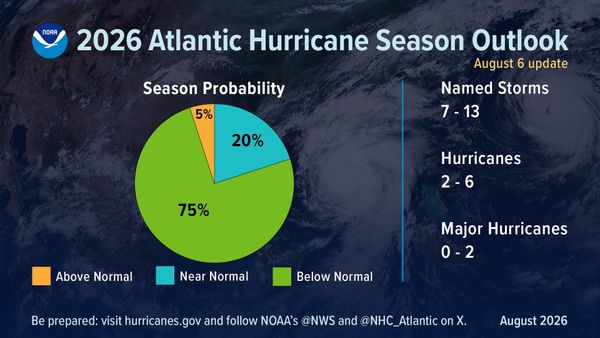
We wrote Oct. 3 that a record-quiet season was no reason to stand down. Isaias proves it. The season runs through Nov. 30. Shops with Gulf or Southeast crews should run our 48-hour storm response checklist now. Put Oct. 9–11 on every inspection report so the claim file lines up with the event. Photograph interior water as well as the roof. Be honest about the deductible before anyone signs.
Sources
National Hurricane Center, Hurricane Isaias Tropical Cyclone Update, Oct. 9, 2026. NWS Tallahassee, Post-Tropical Cyclone Report: Hurricane Isaias, Oct. 11, 2026. The Weather Channel, updated Oct. 12, 2026. Insurance Journal, Oct. 13, 2026. Florida DBPR emergency information page (Emergency Orders 2026-01 and 2026-02). The Bradenton Times, Oct. 13, 2026.